
#GREENGRIDZ paves the way—lighter loads—less traffic
March 25, 2025


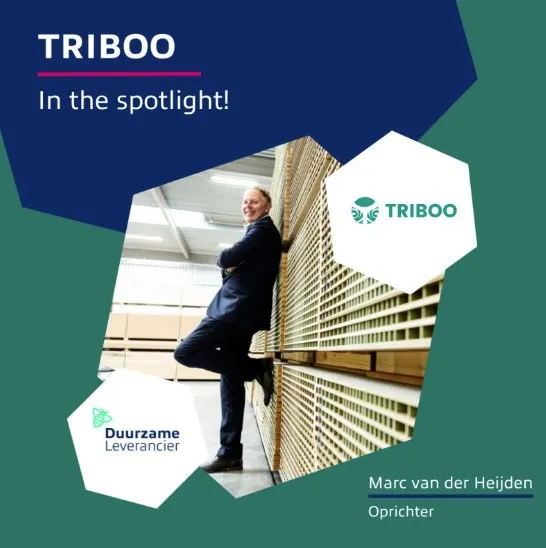



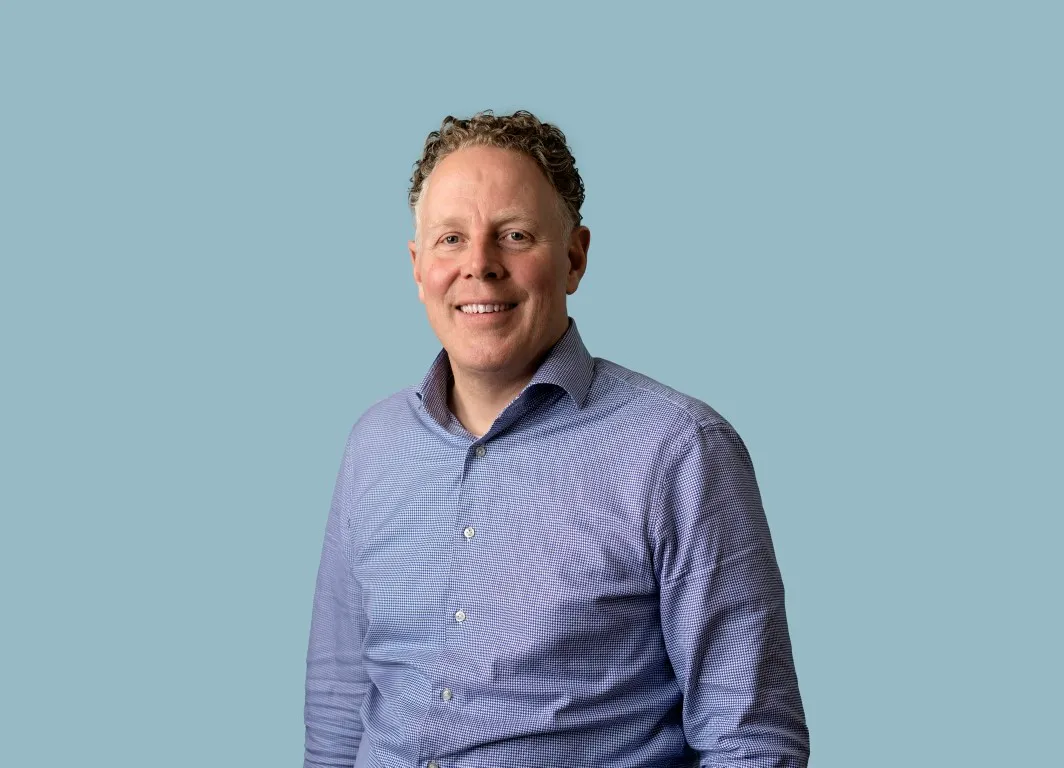
Marc started out as a mover. “My father and my grandfather were movers too, and I did this work for nineteen years,” he says. Eventually, he decided to start his own business. Every year, 11 billion kilograms of furniture are thrown away in Europe, 90% of which is incinerated. This got Marc thinking: “This can’t be what furniture is meant for.”
Seven years ago, he founded Triboo with the goal of transforming worthless waste into valuable, circular office furnishings. Triboo uses plastic fibers and natural fibers to produce circular office furnishings. One of their key products is the lightweight #greengridz desk and table tops. Depending on the thickness, between 60 and 90% less material is used, and CO2 emissions are reduced by 60%. At the end of their lifespan, these tops are shredded and, through a pyrolysis process, converted into activated carbon that is reused as a filter medium for water and air filters.
"We don’t sell desks and tables; we solve a problem," Marc emphasizes. One of Triboo’s high-profile brands is Never Ending Furniture. In this furniture collection, waste streams are transformed using 3D printing into structures such as table bases, lamps, and planters. Triboo works with various materials, including hemp, paper, cardboard, PET, and polystyrene. “What makes this special is that these raw materials are reusable. If there’s no longer a demand for a certain type of furniture, we can break it down and 3D-print it into a new piece of furniture.”
"A table base can be turned into a planter. For example, old refrigerators are made of polystyrene. First it was a refrigerator, then a piece of furniture, and then something else again," Marc explains. He also cites examples of festival tokens that are turned into vases and flowerpots. "My idea is that the raw materials we use to build furniture should be able to change shape and be 100% reusable—so we can use them to build other pieces of furniture. Not like many people say today, that it’s sustainable to keep sitting at the same table for as long as possible."
According to Marc, materials need to be able to adapt to the evolution of work and people’s needs. “Forty years ago, we worked at large steel desks with typewriters. If we were to believe the narrative being promoted today and apply it retroactively, we’d still be typing away at those kinds of outdated workstations. That can’t be the intention. “People change, and we want different colors and shapes. You have to keep supporting and motivating people in their work and daily lives.”
When asked whether Triboo actually takes back and reuses furniture, Marc answers in the affirmative. "People get €5 per kilo of furniture back from us. The only way the circular economy works is if you shift from a cost stream to a value stream.” Marc explains that Triboo not only uses fewer materials but also emits less CO2 and produces less waste. “We believe that all furniture should be taken off the road within ten years. No long-distance transport—just the last mile. Our furniture is digitally transmitted around the world and printed locally, which minimizes CO2 emissions from transportation.” It’s not about switching from fossil fuels to electric vehicles; it’s about having fewer trucks on the road and fewer ships sailing. Our technologies already make this possible today.
"The first benefit you can achieve is using less material by choosing a different desk or tabletop," advises Marc. Triboo has developed a CO2 app that allows companies to easily calculate their CO2 savings. This app uses certified data from an LCA and EPD and helps companies gain insight into their impact, which is important for the new Corporate Sustainability Reporting Directive (CSRD).
Although Triboo has been around for seven years, they’re still just getting started. We want to set up more 3D printing hubs around cities to turn local waste into furniture. “Our goal is to get furniture off the streets and stop waste. We want to be pioneers and take bold steps, even if that’s scary.”
Triboo manufactures only on demand, which helps them avoid overproduction and waste. “We produce what’s in demand and thus prevent waste,” says Marc. The challenge lies in getting people to understand that Triboo doesn’t sell tables—it solves a problem. With our innovative circular furniture, we hope to put an end to the throwaway mentality and transform “fast furniture” into “NeverEnding Furniture.”
https://www.duurzameleverancier.nl/blog/88/In-the-Spotlight:-Marc-van-der-Heijden-van-TRIBOO:-Innovatie-in-Circulaire-Kantoorinrichting








.jpg)


