


TRIBOO
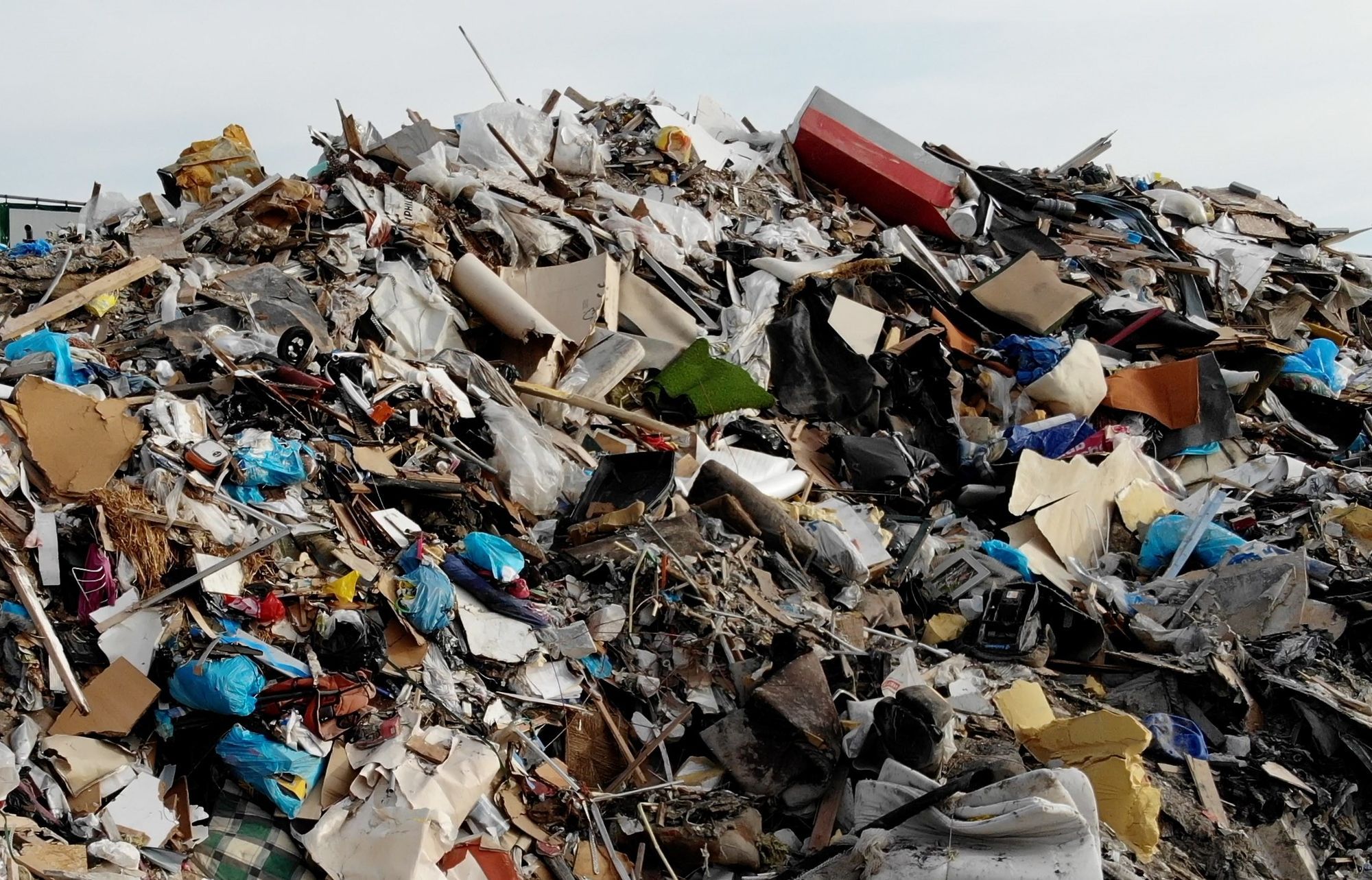
Turn the waste your organization throws away every day into a circular table with a compelling story. Vacuum cleaners, refrigerators, CDs, e-waste, water bottles, soap bottles, crates, drinking cups, or paper from your old archives. Collect them together, process them, and reuse them as raw materials for a unique table that tells your sustainability story every single day. This way, you make the circular economy visible in your interior design and take practical steps toward a zero-waste society.


.jpg)
.jpg)
.jpg)

.jpg)
.jpg)


.jpg)
.jpg)
.jpg)
.jpg)
.jpg)
.jpg)
.jpg)

.jpg)
.jpg)
.jpg)


Tables
And work with TRIBOO to create a striking table that tells your organization’s story
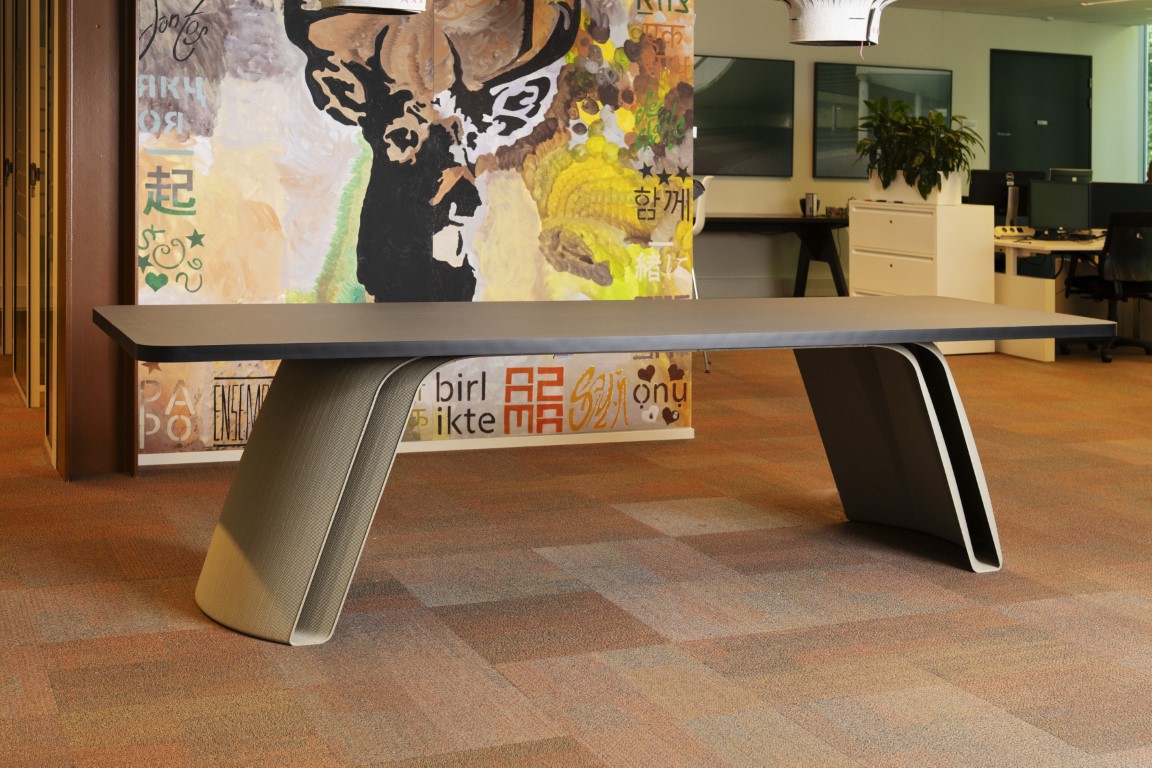
We are investigating whether plastics and natural fibers can be reused as valuable raw materials to make a table. If the results are positive, we’ll get to work. The result of all these positive efforts is a table to which everyone has contributed and that embodies the organization’s circular ambitions.


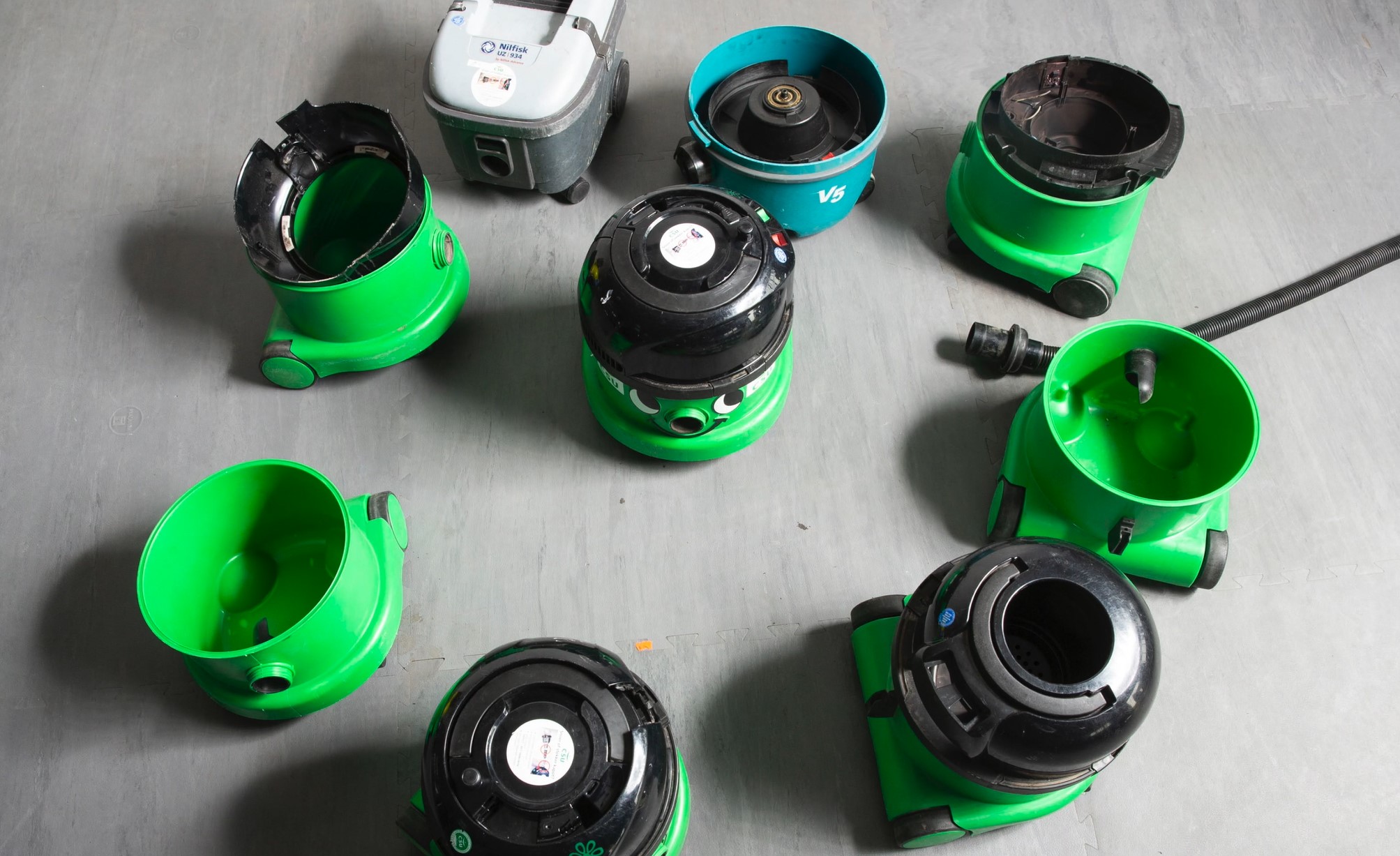
The table is made from waste rather than newly extracted raw materials. The materials consist of discarded products from the organization itself. As a result, each table has a unique composition, color, and identity. The table’s appearance literally reveals where the materials came from. What was once a broken vacuum cleaner at a cleaning company is reborn as a table that enriches the work environment.
.jpg)
.jpg)
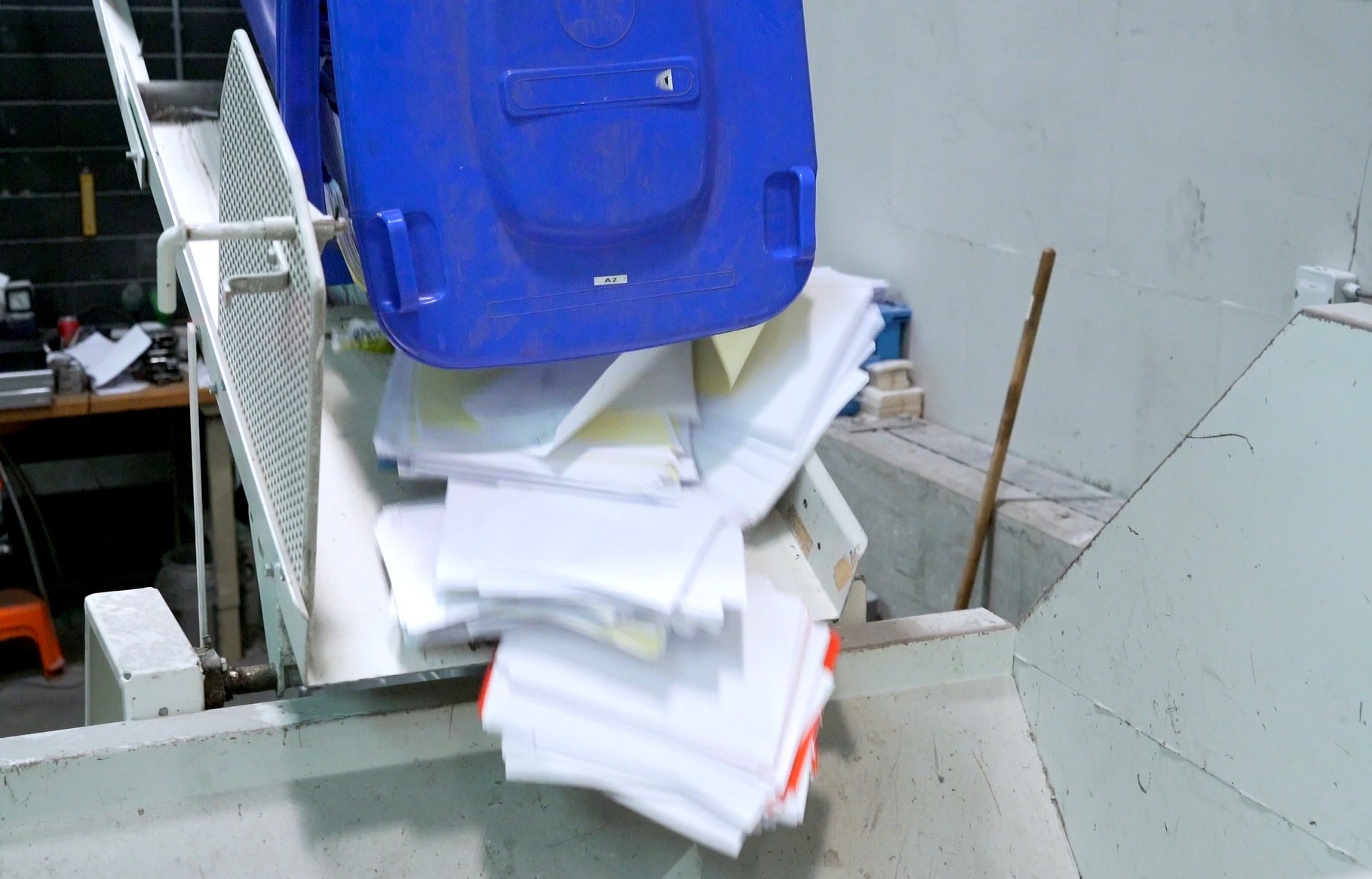
Not every waste stream can simply be reused. Research determines whether the material is safe, technically viable, and suitable for the desired production process. TRIBOO has extensive experience and can already reveal that old archival paper, vacuum cleaners, work clothes, coffee grounds, old planters, plastic water bottles, refrigerators, CDs, CD cases, e-waste, old energy meters, and many other everyday items we throw away are high-quality raw materials for your own circular table.
After collection, the waste streams are sorted and prepared for processing. Depending on the production techniques used, the materials are cleaned, shredded, melted, or compounded into a new raw material. The raw material can then be pressed into sheet material or 3D-printed using heat and pressure.

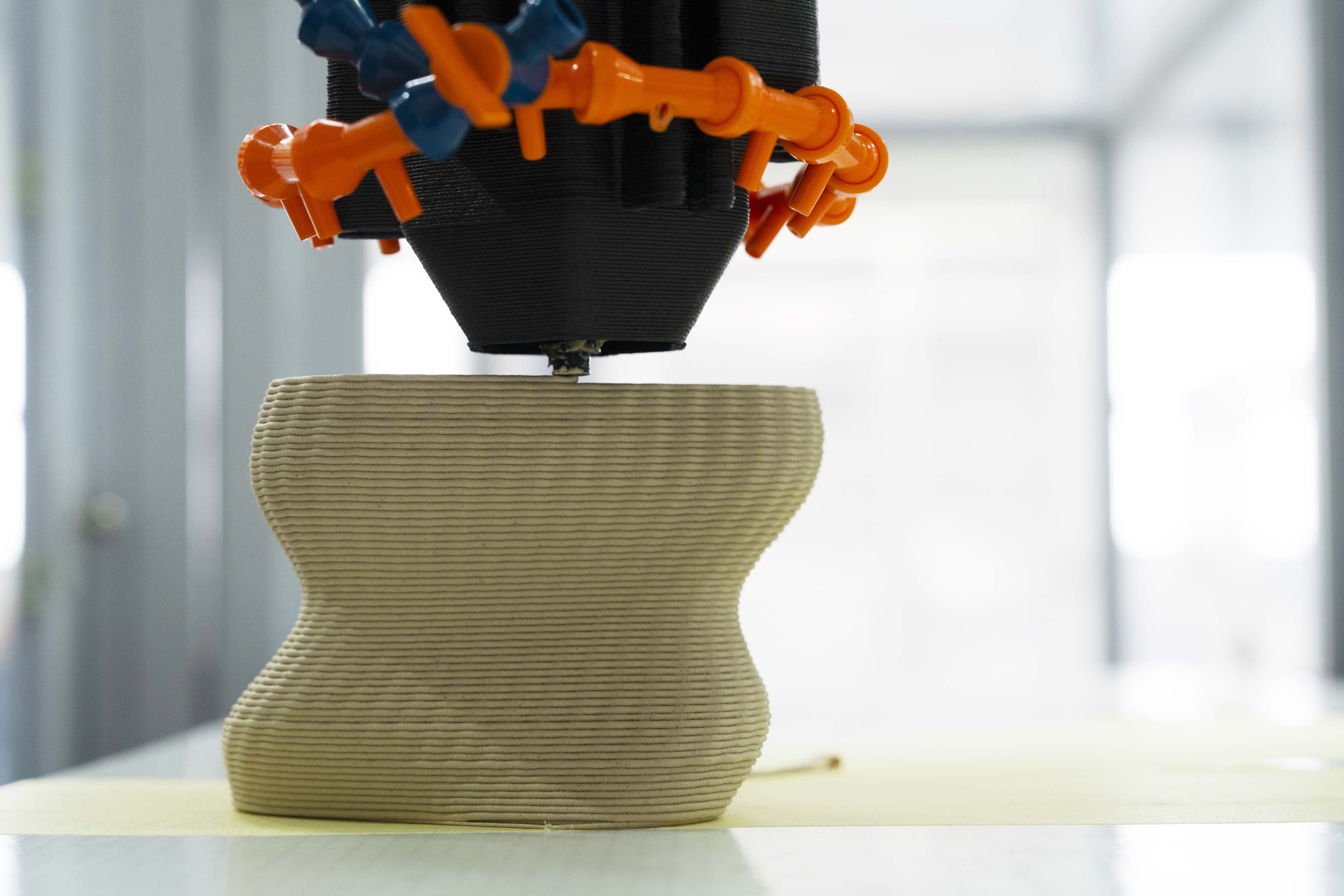
There are various manufacturing techniques that can be used. This depends on the type of material being used. Plastics and natural fibers can be pressed under pressure in a mold to create a tabletop or structural panel that can be used in construction. Another widely used technique is 3D printing of table structures. The color and appearance of the furniture are partly determined by the collected waste. This can result in visible patterns, flecks of color, and textures that reflect the original raw materials.
Discover how you can design your workspace—whether at the office or at home—in a circular way with high-quality, eye-catching furniture made with fewer materials, lower CO2 emissions, and less waste. Request our brochure below.


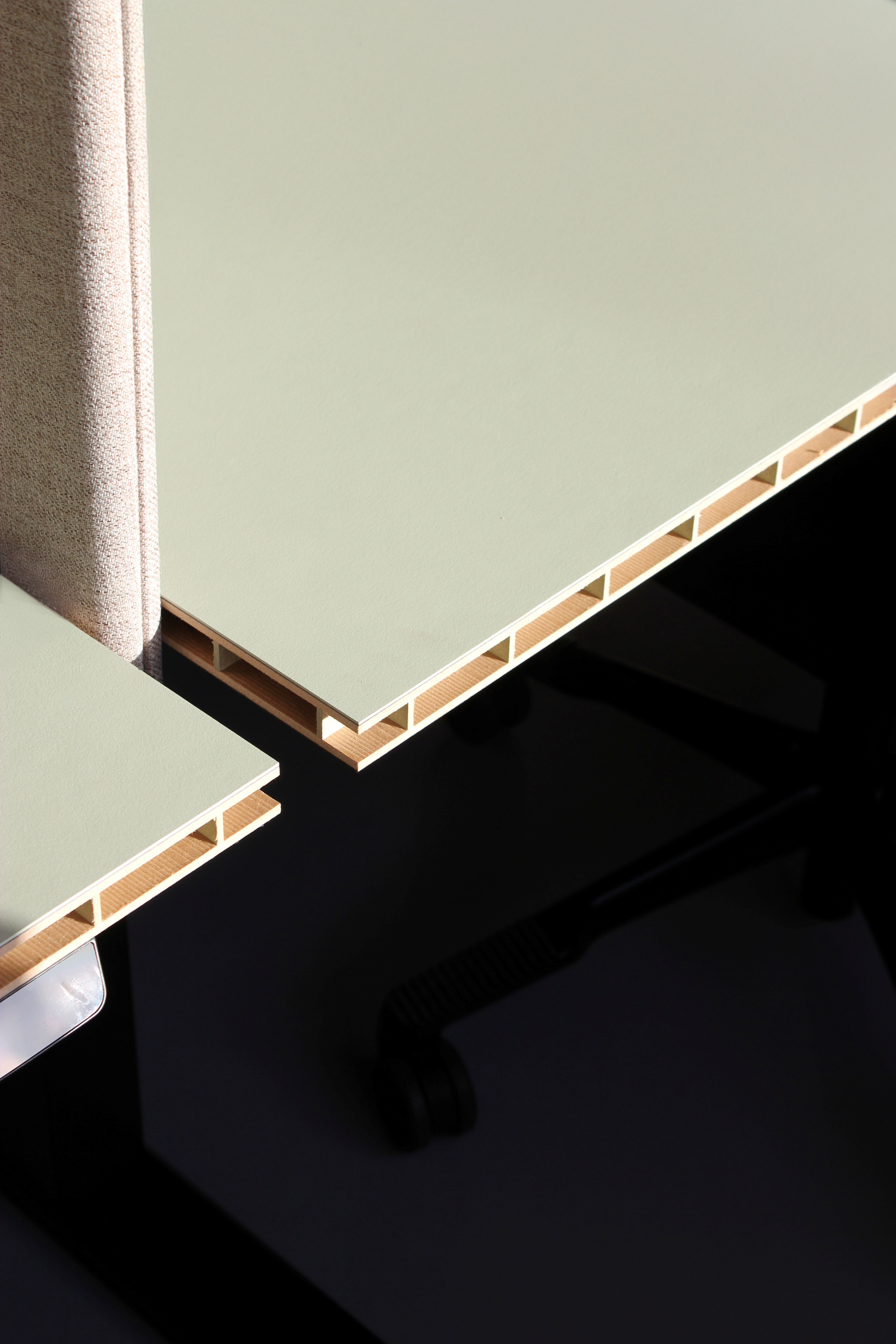
Our circular design principles are focused on reducing CO2 emissions in furniture. Detachable connections, modular construction, single-material designs, reuse, etc. All our knowledge and energy are directed toward preserving the value of materials and reusing raw materials in high-quality applications.
Together, we’re taking steps toward a healthier, circular work environment. Whether you want to furnish a single room or renovate an entire office, we’d be happy to work with you to find the right solution.










.jpg)


.jpg)


