


NeverEnding Furniture
The Nexus table features a 3D-printed base with a lightweight #greengridz tabletop mounted on top. With its inspiring design, it brings people together and fosters innovation and creativity. It’s a striking conversation piece with a circular story—and the ideal table for business meetings, receptions, events, and parties.
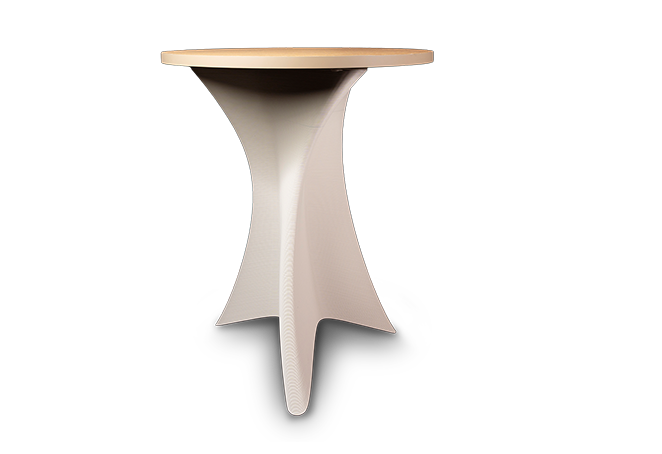

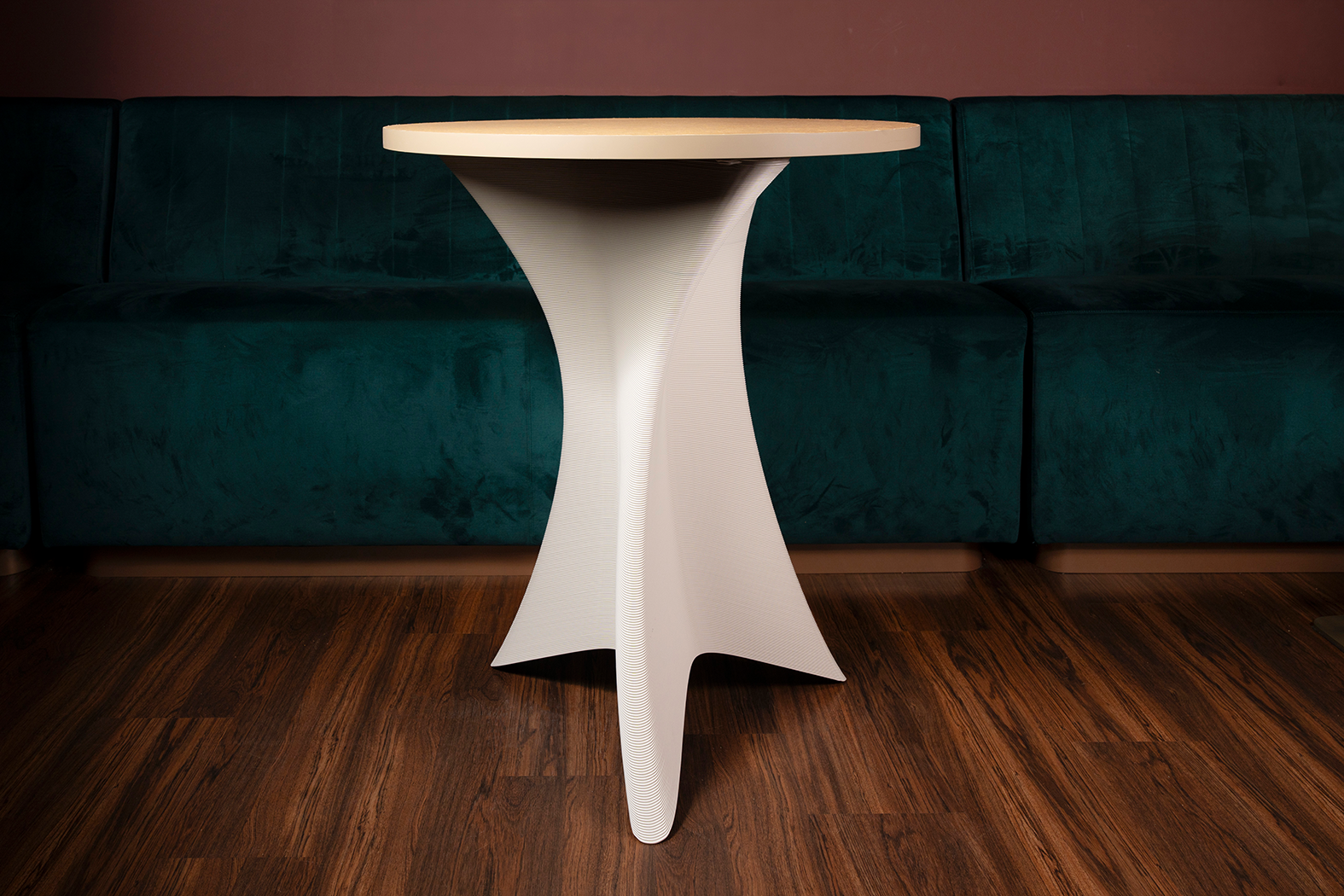
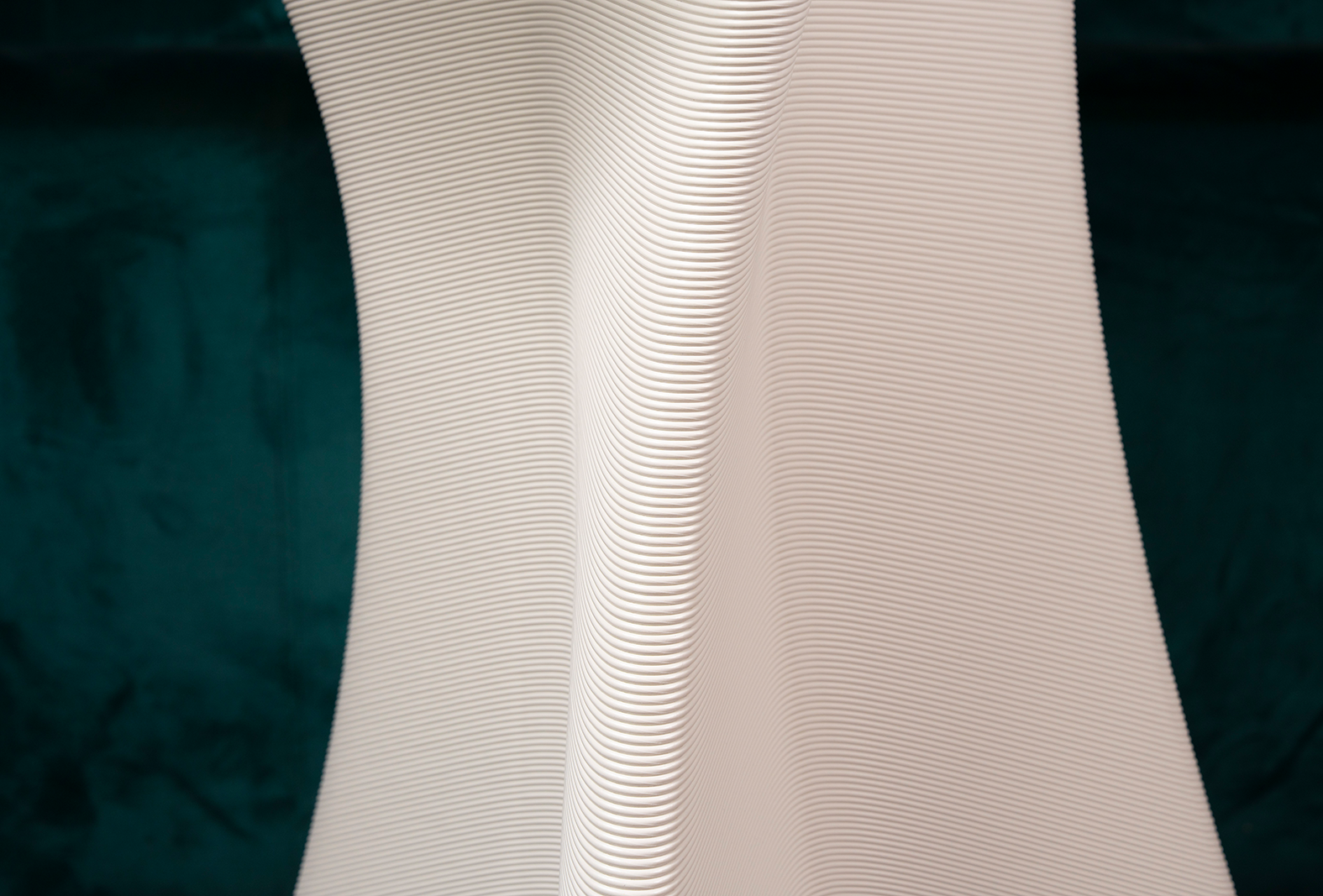
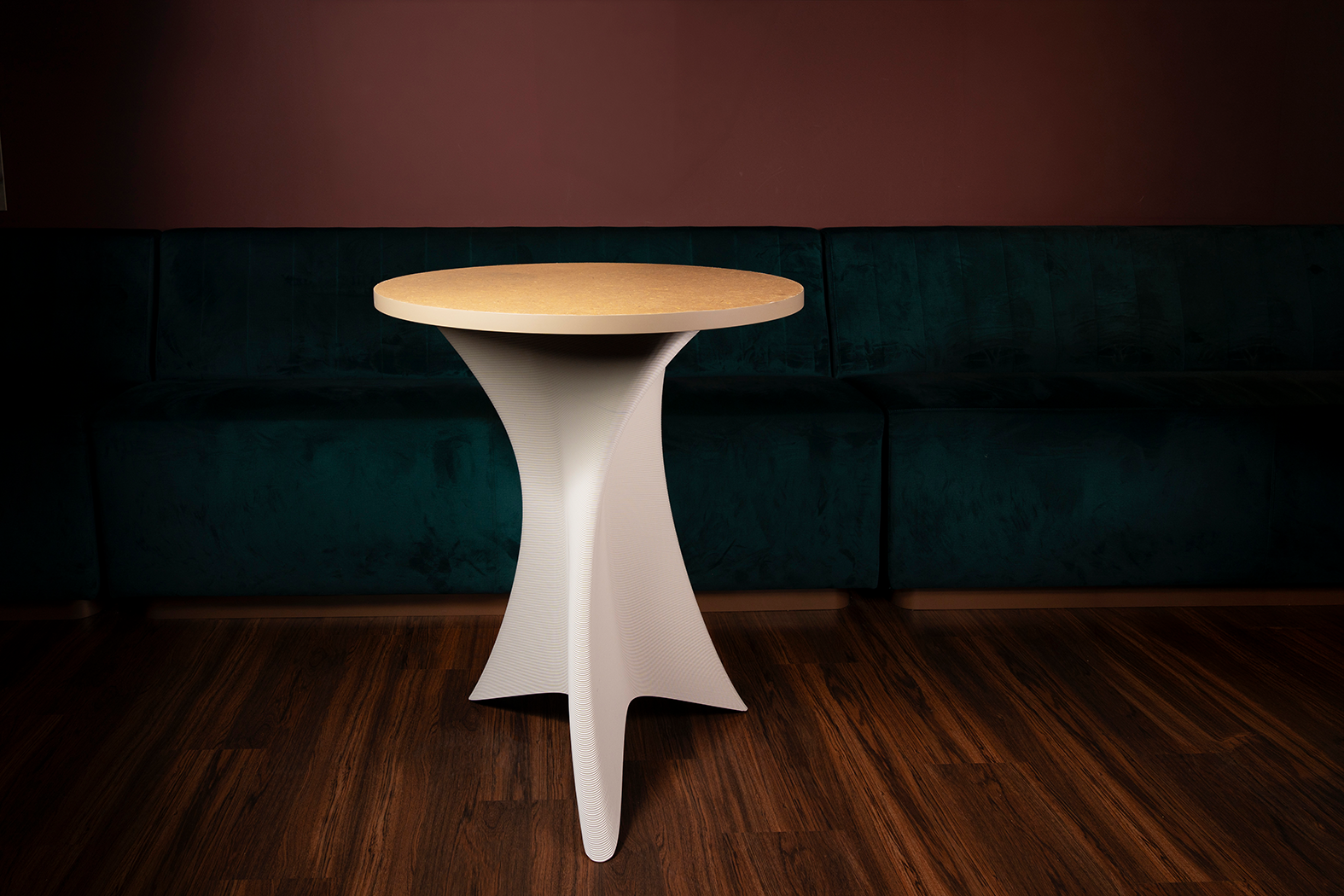

Less material, fewer CO2 emissions, and less waste! These motivations are the circular design principles behind every Nexus table we produce locally. The tables are made from raw materials that would otherwise have ended up as waste. The 3D-printed frames feature a lightweight #greengridz tabletop. This reduces the CO2 footprint by 60% compared to heavy solid-wood tabletops and saves many kilograms of material. And material you no longer use doesn’t need to be recycled. That’s how the Nexus helps reduce the waste problem. And that’s how the Roots helps reduce the waste problem.

At the end of its useful life, the Nexus can be returned to TRIBOO. The frame is ground down and transformed in both form and function. It is 3D-printed into a circular product that is in demand at that time. The #greengridz tabletops are converted into carbon for water and air filters through a pyrolysis process.
The Nexus table features a sturdy 3D-printed structure made from 100% recycled material. It is 780 mm high, and its width ranges from 500 to 600 mm. It weighs 16 kilograms. The structure can be printed using plastics or natural fibers and is available in a variety of colors. The lightweight tabletops are made of #greengridz and are available in a round shape with a diameter of 1000 mm or a square shape measuring 1000 x 1000 mm. The tops are available in thicknesses of 24, 30, and 40 mm. An endless variety of colors, finishes, and textures is available for the tabletop’s surface.
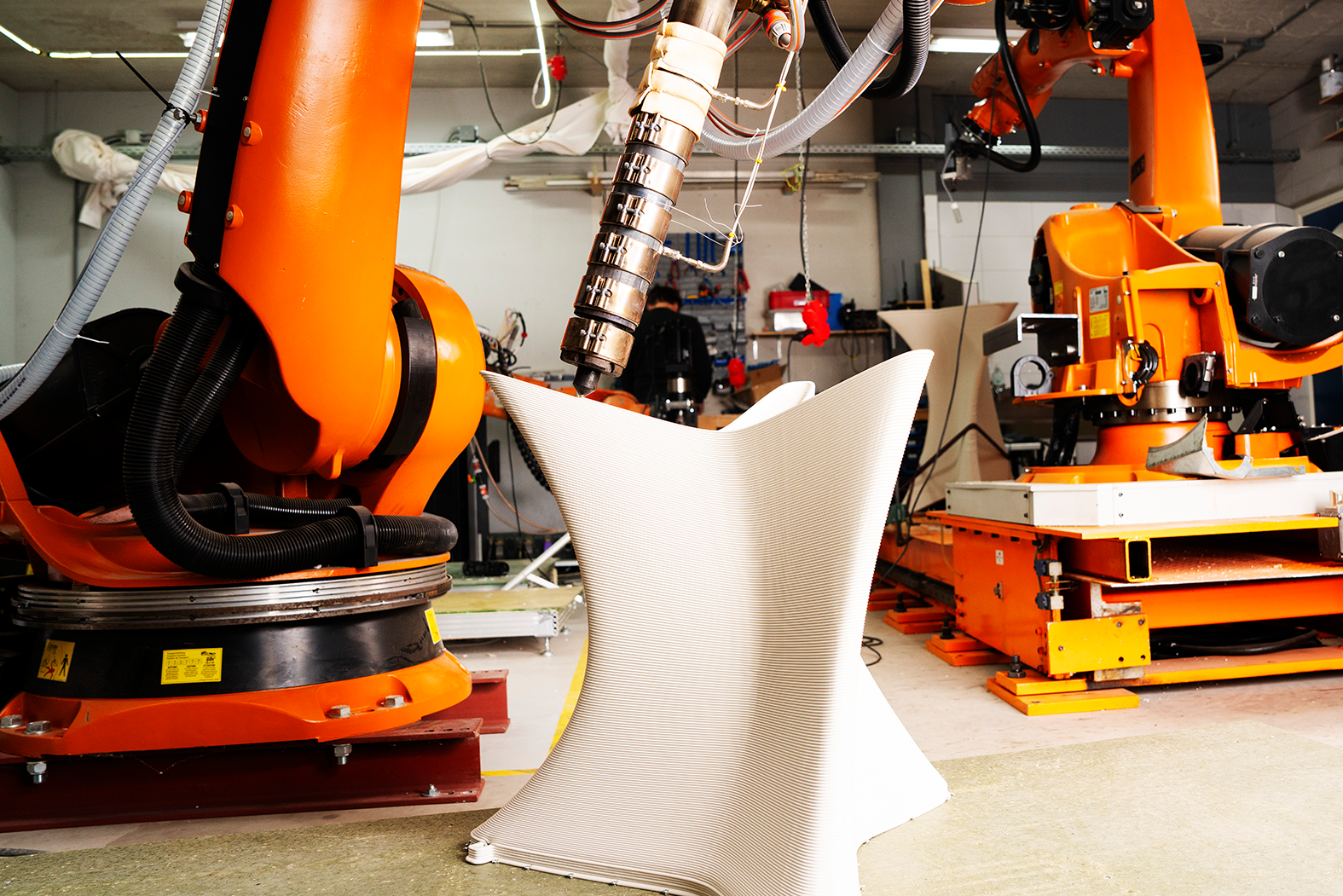
Discover how your workspace—whether at the office or at home—can be designed with a circular approach, featuring eye-catching furniture made locally using fewer materials, producing fewer CO2 emissions, and generating less waste.
Request our brochure below.


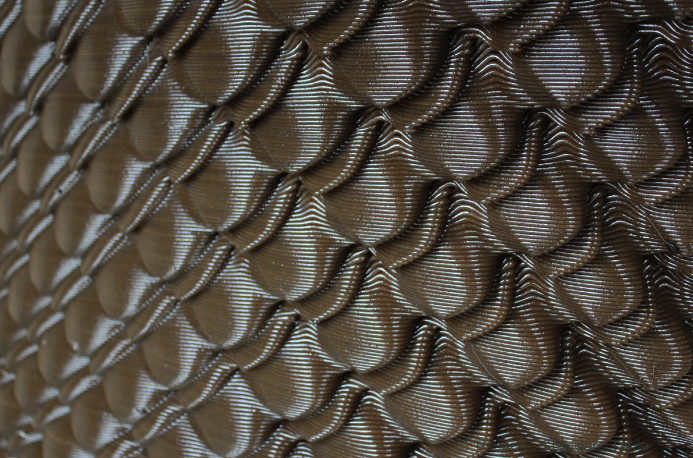
The materials used in the furniture are valuable and can be reused in the next generation of furniture. At the end of their lifespan, they are ground into granules and 3D-printed into something new. Over and over again, as the same material transforms from one form to another. NeverEnding.
.jpg)
Through its global digital furniture platform and network, NeverEnding Furniture travels around the world in milliseconds—without trucks, boats, or trains. This approach prevents CO2 emissions and waste, and only the final kilometers to the customer are traveled by vehicle.

NeverEnding Furniture transforms local waste streams of natural fibers and plastics into valuable, circular 3D-printed furniture. No new raw materials are extracted from the earth! Tables, chairs, planters, and lamps take shape in eye-catching designs and demonstrate what waste can become.
Together, we’re taking steps toward a healthier, circular work environment. Whether you want to furnish a single room or renovate an entire office, we’d be happy to work with you to find the right solution.
.webp)









.jpg)


