Movares Group has chosen to furnish its offices in the Netherlands sustainably—1,000 workstations and additional furniture—through TRIBOO’s circular office furniture subscription service
October 8, 2026


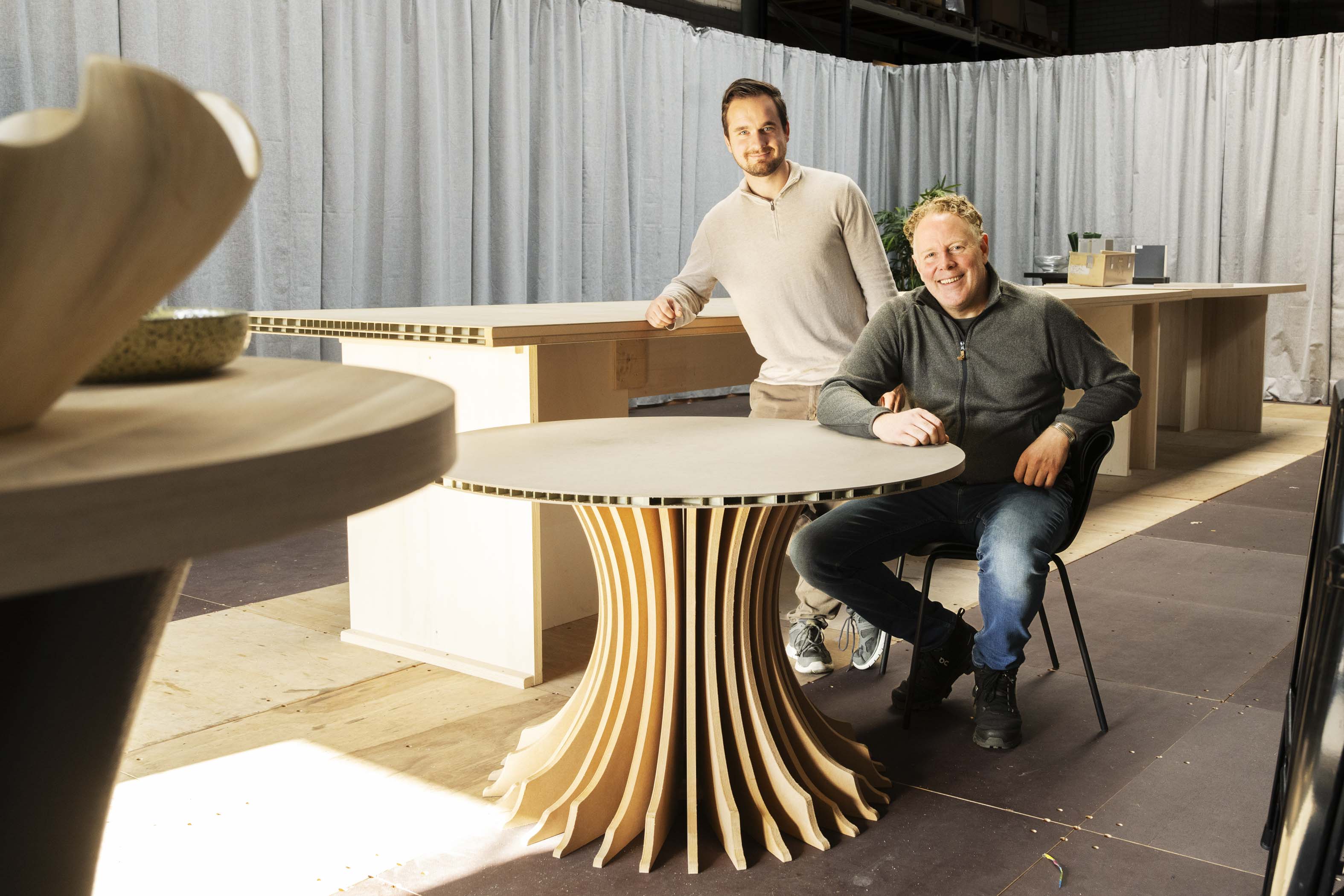
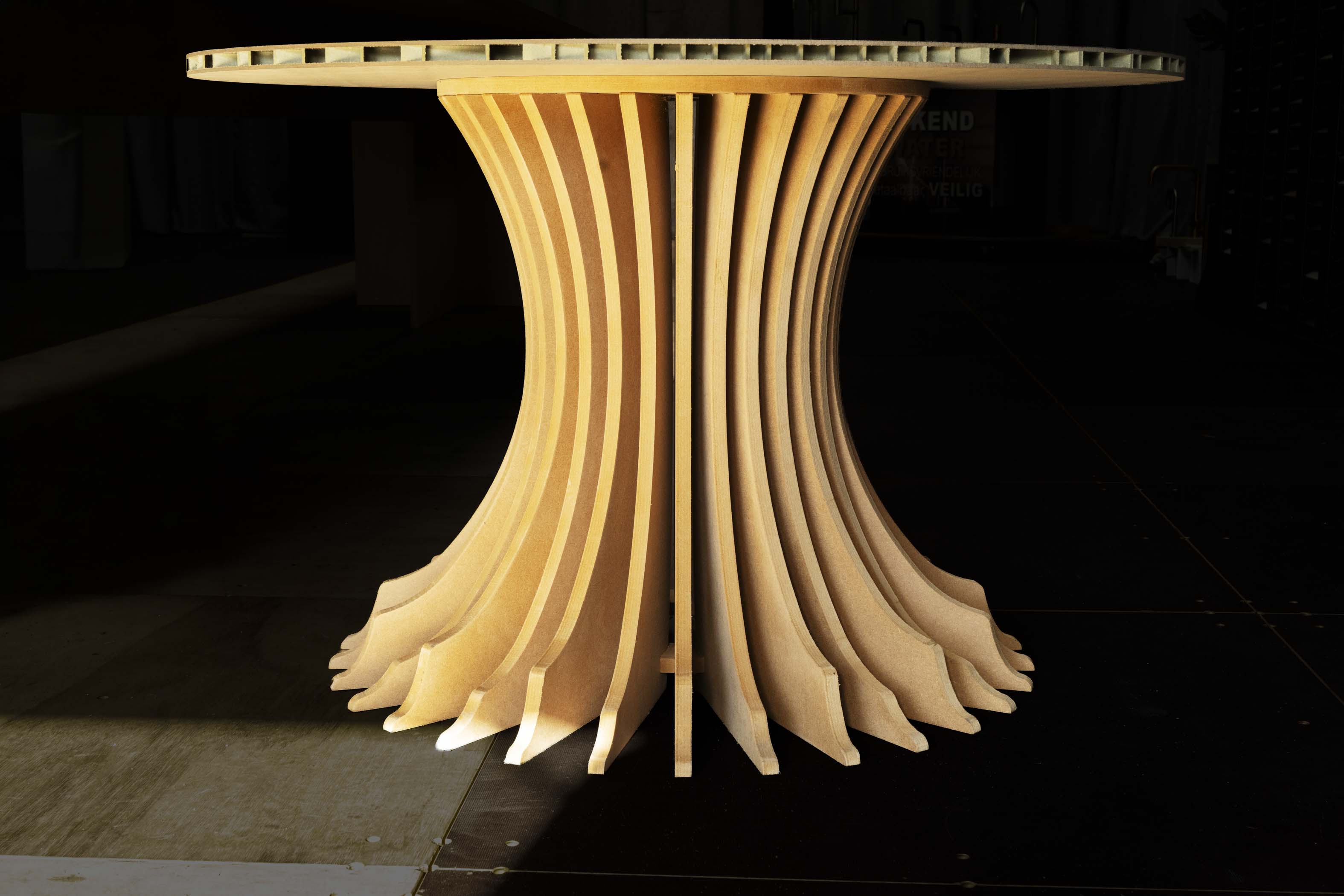



What began as a request to design a table base inspired by the lightweight #Greengridz tabletop grew into a collaboration between Marc van der Heijden of the circular office furniture company TRIBOO and Rick Peters, a designer of minimalist interior lighting for the design label Van Tjalle & Jasper.
The result is the much-talked-about BareBones table collection, which, when combined with the distinctive lamps, offers a new approach to circular design for the workplace—whether in the office or at home.
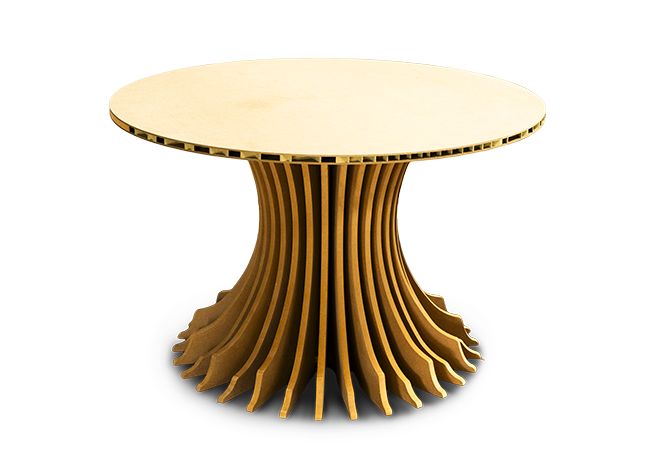
The BareBones table captures the beauty and strength of its core at a glance. #Greengridz. The striking ribbed structure is inspired by the logic of nature: strong, light, and efficient. All components form a three-dimensional whole using friction joints, creating a rock-solid construction without glue or screws that is also easy to disassemble. The tables are available in various designs, and the tabletops can be custom-made in different shapes, sizes, and finishes.
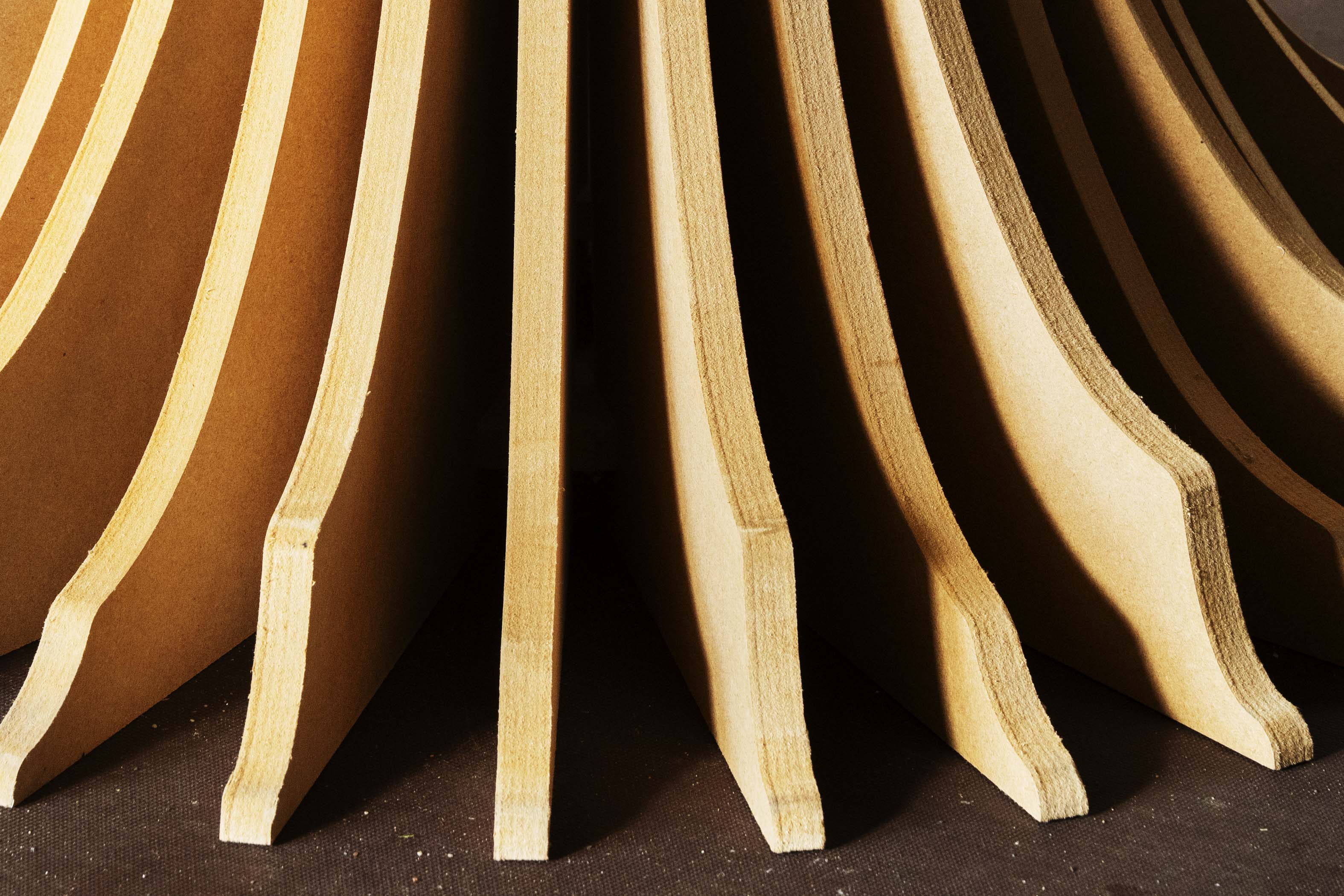
The signature products of both organizations share a common thread. Minimalism. This is reflected in the design principles of the #Greengridz tabletops and the lamps by Van Tjalle and Jasper. The recognizable structures embody constructive intelligence and aesthetics that reinforce one another. Together, the BareBones tables and lamps are a feast for the eyes and flawlessly showcase the principles of circular design.
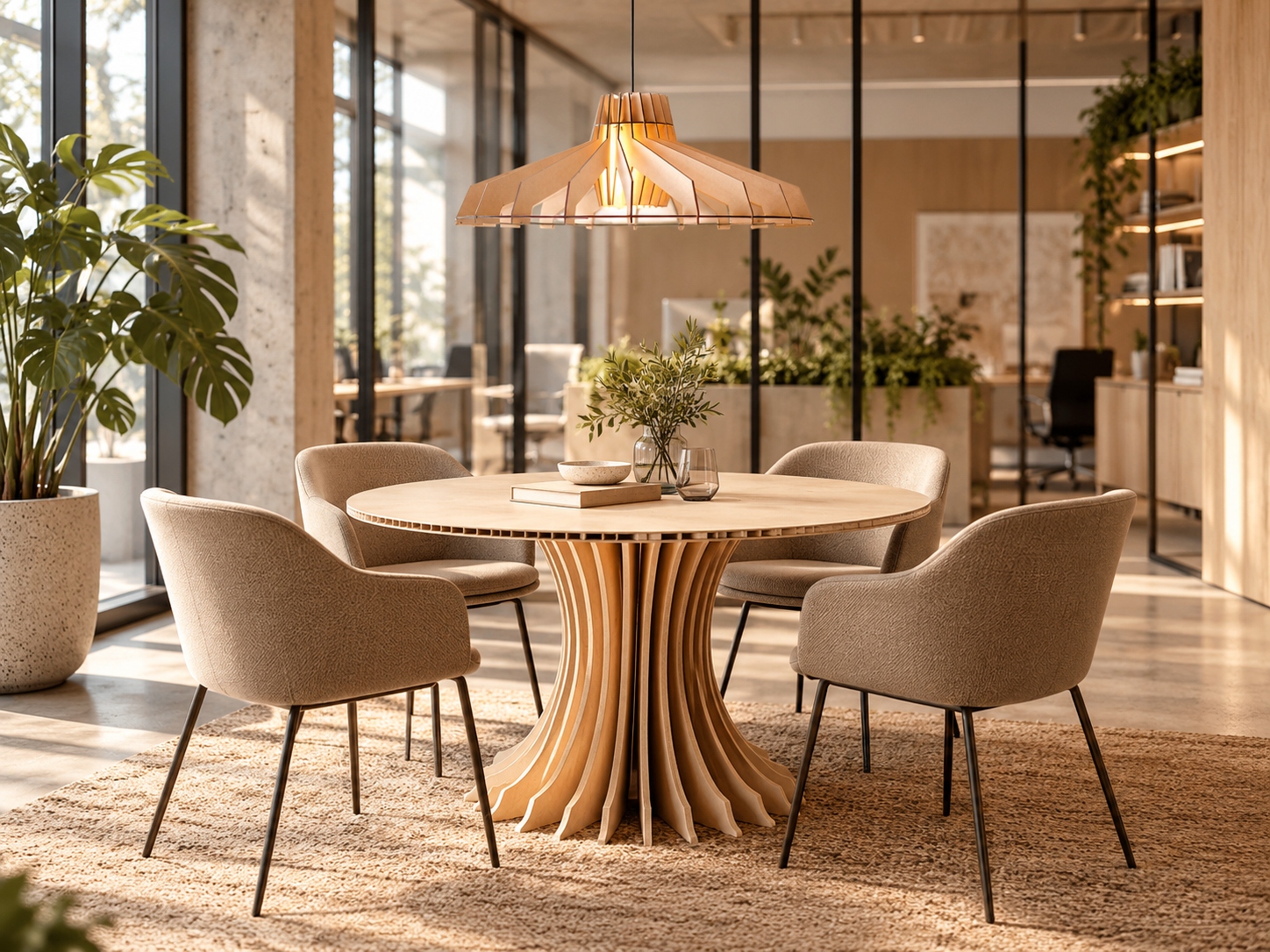
The collaboration between TRIBOO and Van Tjalle & Jasper demonstrates what can be achieved when material innovation, product design, and digital production are integrated from the very beginning. The result is an illuminated table that not only provides a functional space for working, brainstorming, or meeting, but also demonstrates that thoughtful use of materials and bold design are what define a future-proof interior. It’s not about using more materials, but about designing smarter with what you need.